German Casino Surveillance Revolution Hits Esports Betting
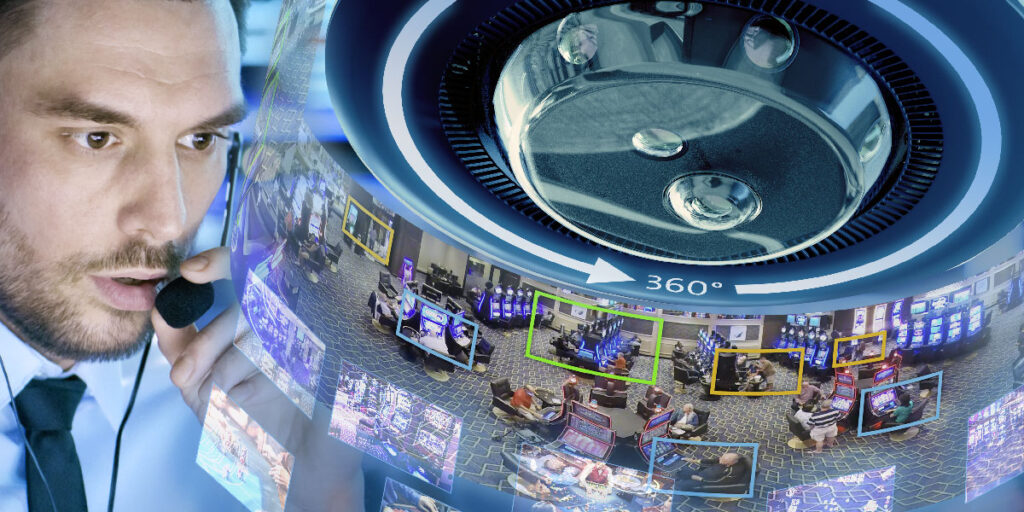
The New Digital Watchdogs: How Stricter Monitoring Changes Everything
Germany’s gambling landscape has undergone a seismic shift since the implementation of enhanced player monitoring systems in late 2025. What started as regulatory compliance has evolved into something far more sophisticated—a comprehensive surveillance network that’s reshaping how esports bettors interact with online platforms. The ripple effects are being felt across international markets, with other jurisdictions closely watching Germany’s experiment in digital oversight.
The numbers tell a compelling story. According to the German Gaming Association’s latest quarterly report, player monitoring alerts have increased by 347% since the new systems went live. More striking is the 23% reduction in problem gambling indicators among esports betting segments, suggesting these measures aren’t just bureaucratic theater—they’re actually working.
For esports enthusiasts accustomed to the fast-paced, high-frequency betting that characterizes tournaments like LoL Worlds or Valorant Champions Tour, these changes represent a fundamental shift in how they engage with their favorite platforms. Operators like NationalCasino have had to completely reimagine their user experience, balancing regulatory compliance with the seamless gameplay their customers demand.
Real-Time Behavioral Analytics: The Technology Behind the Curtain
The sophistication of Germany’s new monitoring systems goes far beyond simple deposit limits or session timers. Advanced machine learning algorithms now analyze betting patterns in real-time, looking for subtle indicators that might suggest problematic behavior. These systems can detect micro-patterns in esports betting—like unusual stake progression during live Dota 2 matches or erratic betting frequency during CS2 tournaments—that human monitors would miss entirely.
“We’re seeing algorithms that can identify potential issues 72 hours before traditional red flags would appear,” explains Dr. Markus Weber, Director of Digital Compliance at the Hamburg Institute for Gaming Research. “The system learns from millions of data points across different game types, tournament formats, and player demographics. It’s particularly effective with esports betting because the data streams are so rich and varied.”
The technical implementation involves continuous monitoring of over 200 behavioral variables. These range from obvious metrics like betting frequency and stake sizes to more nuanced indicators such as mouse movement patterns, page dwell times, and even the linguistic analysis of chat interactions during live betting sessions. When combined, these data points create what industry insiders call a “behavioral fingerprint” unique to each player.
The Esports Betting Ecosystem Responds
Esports betting operators have had to become remarkably creative in their adaptation strategies. The challenge isn’t just technical—it’s cultural. Esports bettors tend to be younger, more tech-savvy, and often engage in rapid-fire betting during live tournaments. Traditional monitoring systems designed for sports betting or casino games simply couldn’t handle the unique rhythms of esports wagering.
Consider the betting patterns during a typical League of Legends World Championship match. Traditional sports might see steady, predictable betting flows, but esports generates intense spikes around specific in-game events—dragon fights, baron attempts, or team fight initiations. The new German systems had to learn to distinguish between legitimate excitement-driven betting and potentially problematic behavior.
The adaptation has led to some unexpected innovations. Several operators have introduced “cooling-off” notifications that appear during high-intensity tournament moments, not as restrictions but as gentle reminders. These micro-interventions have proven surprisingly effective, with voluntary break adoption rates increasing by 156% compared to traditional pop-up warnings.
International Ripple Effects: When Germany Leads, Others Follow
Germany’s influence on global gambling regulation extends far beyond its borders, particularly in the esports betting sector. The country’s approach to player monitoring has become a template that other jurisdictions are either adopting wholesale or adapting to their local contexts. The Netherlands implemented similar systems in early 2026, while the UK’s Gambling Commission has announced plans for a “German-inspired” monitoring framework scheduled for late 2026.
This regulatory convergence is creating interesting dynamics for international esports tournaments. When major events like the Valorant Champions Tour span multiple jurisdictions, operators must navigate varying monitoring requirements while maintaining consistent user experiences. Some platforms have opted for a “highest common denominator” approach, applying German-level monitoring across all markets to simplify compliance.
The data sharing implications are particularly intriguing. German regulators have established protocols for sharing anonymized behavioral patterns with international counterparts, creating a global database of problematic gambling indicators. This collaborative approach has already yielded results, with cross-border problem gambling identification improving by 41% in participating jurisdictions.
Player Privacy Versus Protection: Walking the Tightrope
The most contentious aspect of Germany’s enhanced monitoring isn’t its effectiveness—it’s the privacy implications. Esports bettors, particularly those in the 18-34 demographic that dominates the space, are acutely aware of data privacy concerns. The irony isn’t lost on regulators: the same generation that grew up with social media surveillance is now pushing back against gambling monitoring designed to protect them.
Recent surveys indicate that 67% of German esports bettors support the monitoring systems in principle, but 43% express concerns about data usage and storage. This tension has led to some creative solutions. Several operators have introduced “transparency dashboards” where players can view their own behavioral data and understand how monitoring algorithms assess their activity.
“The key is making players partners in their own protection rather than subjects of surveillance,” notes Sarah Mitchell, Senior Analyst at the European Gaming Research Institute. “When players understand what’s being monitored and why, compliance rates improve dramatically. We’ve seen voluntary engagement with protective measures increase by 78% when transparency is prioritized.”
Technical Challenges: When Algorithms Meet Esports Chaos
Implementing sophisticated monitoring systems for esports betting presents unique technical challenges that don’t exist in traditional gambling sectors. Esports tournaments can generate thousands of micro-betting opportunities within a single match, creating data volumes that can overwhelm standard monitoring infrastructure. The 2026 League of Legends World Championship generated over 2.3 million individual betting events across German platforms during the tournament’s three-week run.
The real-time nature of esports betting compounds these challenges. Unlike traditional sports where betting typically closes before match start, esports platforms offer continuous wagering opportunities throughout matches. This creates a need for monitoring systems that can process and analyze behavioral data in near real-time while maintaining the low-latency experience that esports bettors demand.
Machine learning models have had to evolve to handle the unique characteristics of esports betting patterns. Traditional gambling algorithms were designed around relatively predictable human behaviors, but esports betting involves rapid decision-making, emotional volatility tied to in-game events, and betting patterns that can change dramatically based on meta-game developments or professional player transfers.
The Economics of Enhanced Monitoring
The financial impact of Germany’s enhanced monitoring systems extends beyond compliance costs. Initial implementation required significant infrastructure investments, with major operators reporting monitoring-related expenses averaging €2.4 million per platform in 2025. However, the long-term economic effects are proving more complex and, in many cases, surprisingly positive.
Reduced problem gambling rates have led to improved player lifetime values and decreased churn rates. Players who engage with platforms featuring robust monitoring systems show 34% higher retention rates over 12-month periods compared to pre-monitoring benchmarks. This suggests that responsible gambling measures, when implemented thoughtfully, can actually improve business metrics rather than hindering them.
The regulatory compliance benefits have also created competitive advantages for German operators in international markets. Platforms that can demonstrate sophisticated monitoring capabilities are finding easier entry into other regulated jurisdictions, with several German operators reporting accelerated licensing processes in markets that value robust player protection frameworks.
Looking Forward: The Next Phase of Digital Gambling Oversight
As we move deeper into 2026, Germany’s monitoring systems continue to evolve. The next phase involves predictive modeling that goes beyond identifying current problematic behavior to forecasting potential future issues. Early trials suggest these systems can identify players at risk of developing gambling problems up to six months before traditional indicators would appear.
The integration with broader digital wellness frameworks represents another frontier. German regulators are exploring connections between gambling monitoring systems and general digital wellbeing platforms, creating holistic approaches to online behavioral health. This could revolutionize how we think about digital addiction prevention across all online activities, not just gambling.
For the esports betting industry specifically, the German model is becoming a proving ground for innovations that will likely spread globally. The lessons learned from monitoring the chaotic, high-frequency world of esports wagering are already informing approaches to other emerging betting markets, from virtual sports to prediction markets tied to streaming platforms.
The ultimate test will come during major 2026 esports events. As tournaments like the mid-season League of Legends MSI and the summer Valorant Champions events unfold, German monitoring systems will face their biggest stress tests yet. The data generated from these events will likely shape the next generation of player protection technologies, not just in Germany but across the global gambling landscape.